Background & Client Acquisition: Transitioning to Referrals and Scoping Abstract Briefs
My freelance web production practice originated on crowdsourcing platforms (e.g., Lancers, CrowdWorks). By consistently delivering quality work and building long-term trust, my client base organically evolved into a self-sustaining referral network. Today, my project pipeline is driven entirely by word-of-mouth introductions from past clients and personal network connections.
Independent business owners often approach projects with highly abstract briefs (e.g., "We need a modern website"). To prevent costly rework, I ground the kickoff process in industry research and competitive analysis. To align on visual direction and user expectations early, I facilitate structured discovery discussions:
- If clients have specific references, I deconstruct those interfaces into core UX/UI patterns.
- If clients request a ground-up direction, I present a tailored layout structure designed to meet specific industry standards, securing explicit alignment on requirements before writing any code or mockups.
Resource Management: Selective Scoping and Client Communication
Balancing an independent production pipeline alongside a full-time Senior Product Designer role requires strict scope management and disciplined time allocation. To maintain high execution standards across both commitments, I am highly selective with project scope: I avoid open-ended maintenance retainers or complex, multi-month engineering builds, focusing exclusively on fixed-scope design-and-build contracts with defined launch milestones.
To eliminate communication friction and protect my primary responsibilities, I establish clear operating boundaries during project kickoff:
- Daytime Availability: Clients are informed that I am fully dedicated to in-house core product development during corporate hours, meaning daytime meetings are off-limits.
- Dedicated Execution Windows: I establish structured communication windows after 6:00 PM on weekdays and over weekends for rapid feedback loops, project syncs, and client updates.
Setting these expectations upfront builds transparency, provides peace of mind, and ensures consistent quality without impacting my core responsibilities.
Tech Stack & Conversion UX: Rapid Solo Execution and Driving Offline Results
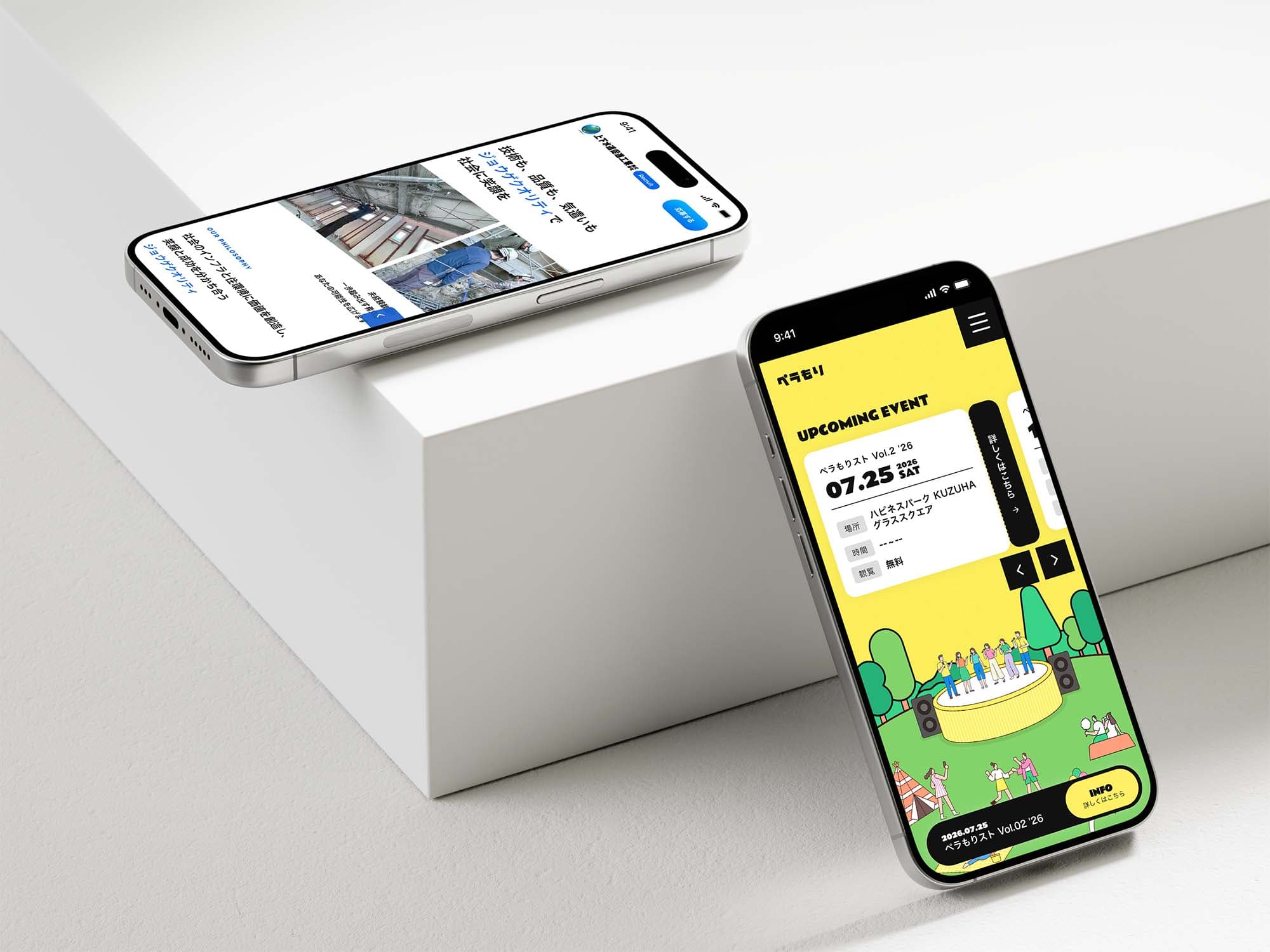
To maximize delivery speed and cost-efficiency as a solo creator, my primary stack centers on a custom WordPress architecture paired with visual page builders (Elementor). This setup gives me complete design flexibility to ship bespoke web platforms without the overhead of pre-made templates or managing external front-end developers. Dealing with a single point of contact significantly accelerates decision-making and project velocity for the client.
Beyond visual design, I engineer user journeys backward from conversion goals. When building landing pages, I map user navigation paths to minimize hesitation and bridge the gap between online form submissions and physical store visits. Clients frequently report measurable business impact—confirming that digital inquiry flows translate directly into increased foot traffic and fresh revenue.
Retrospective & Impact: End-to-End Ownership and Pragmatic Execution
Managing an independent web practice outside of agency or corporate structures provides end-to-end exposure across the entire business lifecycle—from discovery and client management to deployment and performance analytics.
Owning the full implementation loop deepens my practical understanding of modern web standards and technical constraints. This hands-on experience feeds directly back into my core UI/UX work, enabling me to design interfaces that respect real-world engineering boundaries from day one. I will continue to leverage execution speed and business-minded design to solve tangible problems for clients and stakeholders alike.